
🔥 Know Your Fire Extinguisher: A Guide from the Telford Fire Company
Fire extinguishers are an essential part of any home or workplace safety plan — but not all extinguishers are the same. Using the wrong type can be ineffective or even dangerous. After reviewing the Family Fun Fire Safety Quiz answers, it became clear that many people aren’t familiar with the differences between the various classes of fire extinguishers. At the Telford Fire Company, we’re committed to helping our community stay informed and prepared. Keep an eye out for our Open House this fall, where you’ll have the opportunity to receive hands-on instruction and even practice extinguishing a live fire!
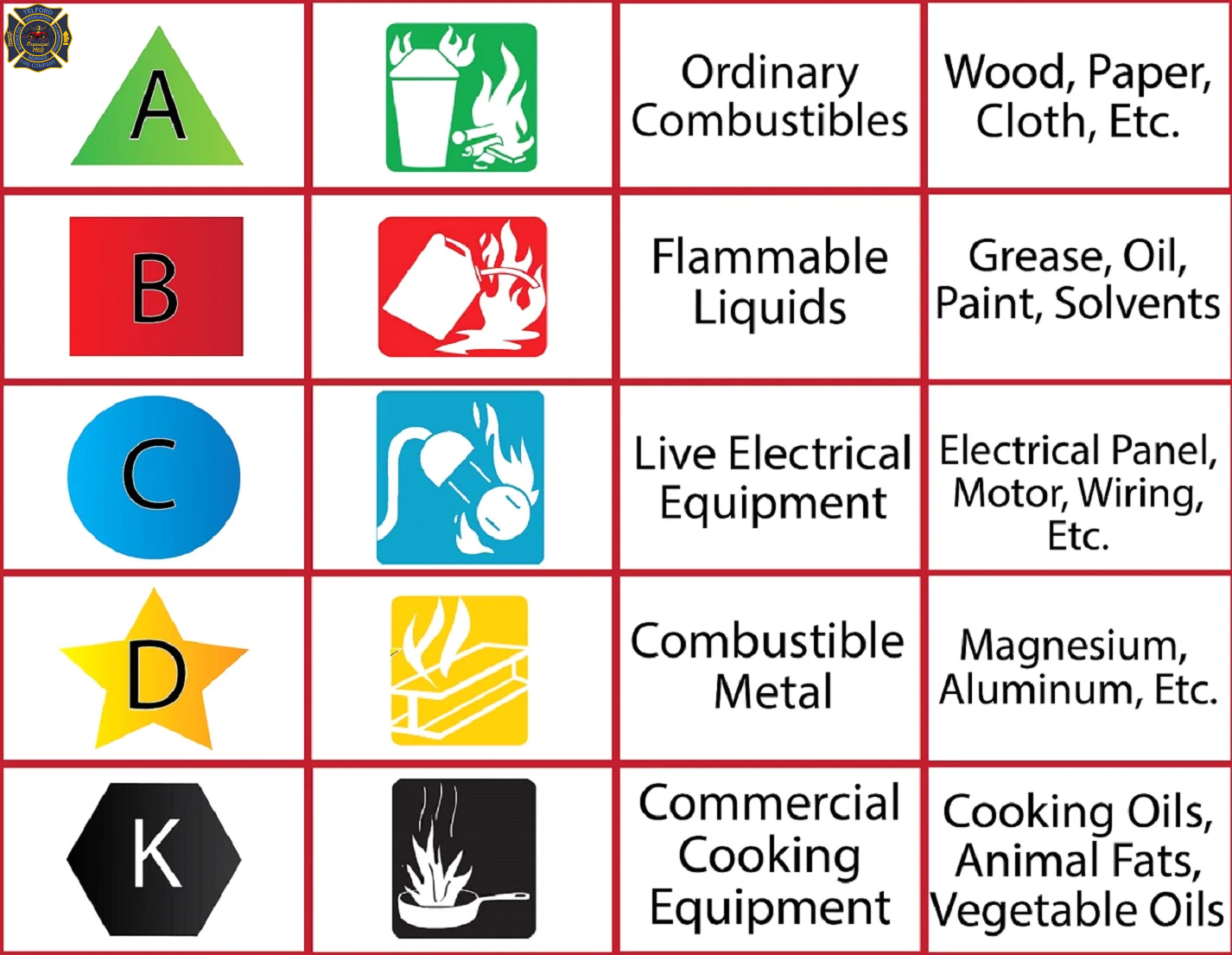
🔥 Types of Fires (Fire Classes)
Before choosing an extinguisher, it’s important to understand the types of fires, also known as fire classes:
-
Class A – Ordinary combustibles like wood, paper, fabric, and trash
-
Class B – Flammable liquids such as gasoline, oil, and grease
-
Class C – Electrical fires from appliances, wiring, or circuit breakers
-
Class D – Combustible metals (rare in homes, found in labs or industry)
-
Class K – Cooking oils and fats (commonly found in commercial kitchens)
🔴 Types of Fire Extinguishers & Their Uses
1. Water (Class A Only)
-
Label: Usually marked with “A”
-
Use for: Paper, wood, fabric, trash
-
Do NOT use on: Electrical or grease fires
-
How it works: Cools the fire below ignition temperature
2. CO₂ (Carbon Dioxide) – Class B & C
-
Label: B and C
-
Use for: Flammable liquids, electrical fires
-
How it works: Displaces oxygen and cools the fire
-
Caution: Not effective on Class A materials; not safe in confined spaces without ventilation
3. Dry Chemical (ABC or BC Types)
-
Label: ABC or BC
-
Most common for home use
-
ABC extinguishers handle most fire types (A, B, C)
-
BC extinguishers are for flammable liquids and electrical fires
-
How it works: Interrupts chemical reaction in the fire
-
Note: Leaves a powdery residue; cleanup required
4. Wet Chemical (Class K)
-
Label: K (sometimes also A)
-
Use for: Commercial kitchen fires involving cooking oil or grease
-
How it works: Cools the fire and forms a soapy layer to prevent re-ignition
-
Note: Essential in restaurants and food trucks
5. Class D Extinguishers
-
Use for: Flammable metals like magnesium, titanium, sodium
-
Found in: Labs, factories, chemical plants
-
Note: Not necessary for residential use
🧯 How to Use a Fire Extinguisher – The P.A.S.S. Method
-
Pull the pin – This unlocks the operating lever.
-
Aim low – Point the nozzle at the base of the fire.
-
Squeeze the handle – This releases the extinguishing agent.
-
Sweep side to side – Move the extinguisher from side to side at the base of the fire until it’s out.
Always keep your back to an exit and never let the fire get between you and your way out.
✅ Fire Extinguisher Safety Tips
-
Install extinguishers in key areas: kitchen, garage, workshop, and near exits.
-
Check pressure gauges monthly to ensure readiness.
-
Know when to go – If a fire is too large or spreading rapidly, evacuate immediately and call 911.
-
Replace or service extinguishers every 5–15 years or after use.
🏠 The Telford Fire Company Recommends:
-
Every home should have at least one multipurpose ABC extinguisher.
-
Mount extinguishers on a wall or in an easily accessible cabinet.
-
Educate everyone in your household on where extinguishers are and how to use them.
-
Consider a Class K extinguisher if you do a lot of frying or deep-frying at home.
Preparedness saves lives — stay safe, stay informed.
— Your team at the Telford Fire Company
Discover more from Telford Fire Company
Subscribe to get the latest posts sent to your email.