
Keep Them Safe: The Importance of Proper Child Safety Seat Use
At the Telford Fire Company, protecting our community extends beyond responding to emergencies — it includes helping families stay safe every day. One of the most critical safety measures for children is the proper use of a child safety seat. Motor vehicle crashes remain a leading cause of death for children, and using the right car seat the right way can dramatically reduce the risk of serious injury or death.
Why Child Safety Seats Matter
Children are not simply smaller versions of adults. Their developing bodies require special protection in a crash. Properly installed car seats can reduce fatal injury by up to 71% for infants and 54% for toddlers in passenger vehicles, according to the National Highway Traffic Safety Administration (NHTSA).
Choosing the Right Seat
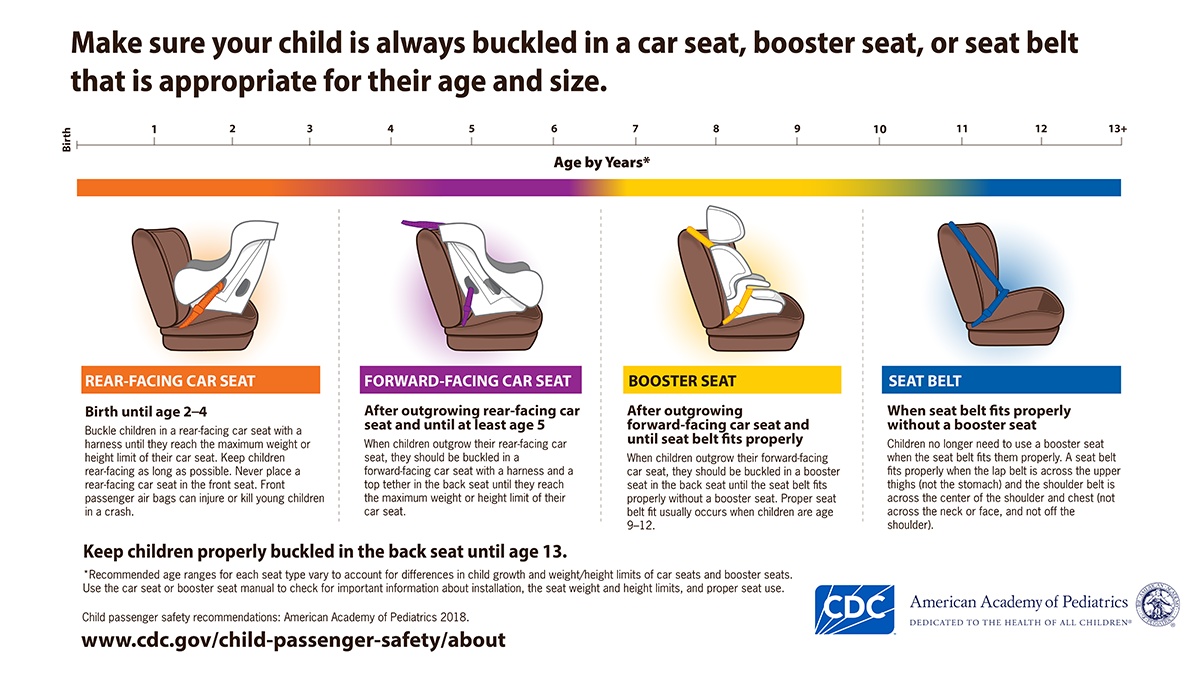
There are four main types of car seats, each appropriate for different ages and sizes:
-
Rear-Facing Car Seats (for infants and toddlers): Best for young children as they offer the most support in a crash.
-
Forward-Facing Car Seats (for older toddlers and preschoolers): Includes a harness to limit forward movement.
-
Booster Seats (for school-aged children): Elevate the child so the seat belt fits properly.
-
Seat Belts (for older children): Should only be used when the child is tall enough for the belt to fit snugly across the upper thighs and chest.
How to Install and Use a Car Seat Safely
-
Read the Manuals
Always read both the car seat manual and your vehicle’s owner’s manual. Installation methods can vary by car model. -
Use the Right Installation Method
Choose between the seat belt or LATCH (Lower Anchors and Tethers for Children) system — never both unless the seat allows it. -
Position Correctly
-
For infants, the seat should be at a 30–45 degree angle.
-
Ensure the harness is snug with the chest clip at armpit level.
-
Rear-facing seats should be in the back seat — never place them in front of an active airbag.
-
-
Secure Tightly
The car seat should not move more than 1 inch side-to-side or front-to-back when pulled at the base. -
Stay Updated
Car seat guidelines change as your child grows. Check height and weight limits frequently and replace seats that are expired or involved in a crash.
🚫 Why Do Child Safety Seats Expire?
It may come as a surprise to many parents and caregivers, but child safety seats do have expiration dates — and for good reason. At the Telford Fire Company, we want to ensure every child rides as safely as possible, and using an expired seat could compromise that protection. Here’s why safety seat expiration is a serious matter:
⏳ 1. Wear and Tear Over Time
Child car seats are made of durable plastic and fabric, but like all materials, they degrade over time. Exposure to sunlight, heat, cold, humidity, and repeated use can cause the materials to weaken. Over the years, plastic can become brittle, harnesses can fray, and crucial locking mechanisms may fail.
📉 2. Changing Safety Standards and Technology
The auto safety field is always evolving. A car seat manufactured 10 years ago may not meet today’s updated safety regulations or may lack modern features such as improved side-impact protection, energy-absorbing foam, or updated LATCH systems. Newer seats are rigorously tested to match current standards that better protect children in a wider range of crashes.
📦 3. Recall and Replacement Limitations
Expired seats are often no longer supported by the manufacturer. That means if there’s a recall, you may not be eligible for a replacement or repair. You also won’t have access to updated instruction manuals, which are essential for correct installation and use.
🧾 4. No Guarantee of Crashworthiness
Over time, a seat that looks fine externally could fail in an accident. You wouldn’t drive on expired tires — so don’t rely on an expired car seat to protect a child during a crash.
🔍 How to Find the Expiration Date
Most car seats have a label on the bottom or back that lists the date of manufacture and expiration date. If the expiration date is not directly listed, many manufacturers recommend replacing the seat six to ten years from the manufacture date.
✅ What to Do with an Expired Seat
-
Do not donate or sell an expired seat.
-
Cut the harnesses and padding so it’s unusable.
-
Label it “Expired – Do Not Use” and dispose of it according to your local recycling or waste disposal guidelines.
🔒 A Final Word from the Telford Fire Company
The life of a car seat doesn’t end when your child outgrows it — it ends when it’s no longer safe. Ensuring your child’s seat is current, undamaged, and properly installed is one of the most important steps you can take to protect them on the road.
Discover more from Telford Fire Company
Subscribe to get the latest posts sent to your email.